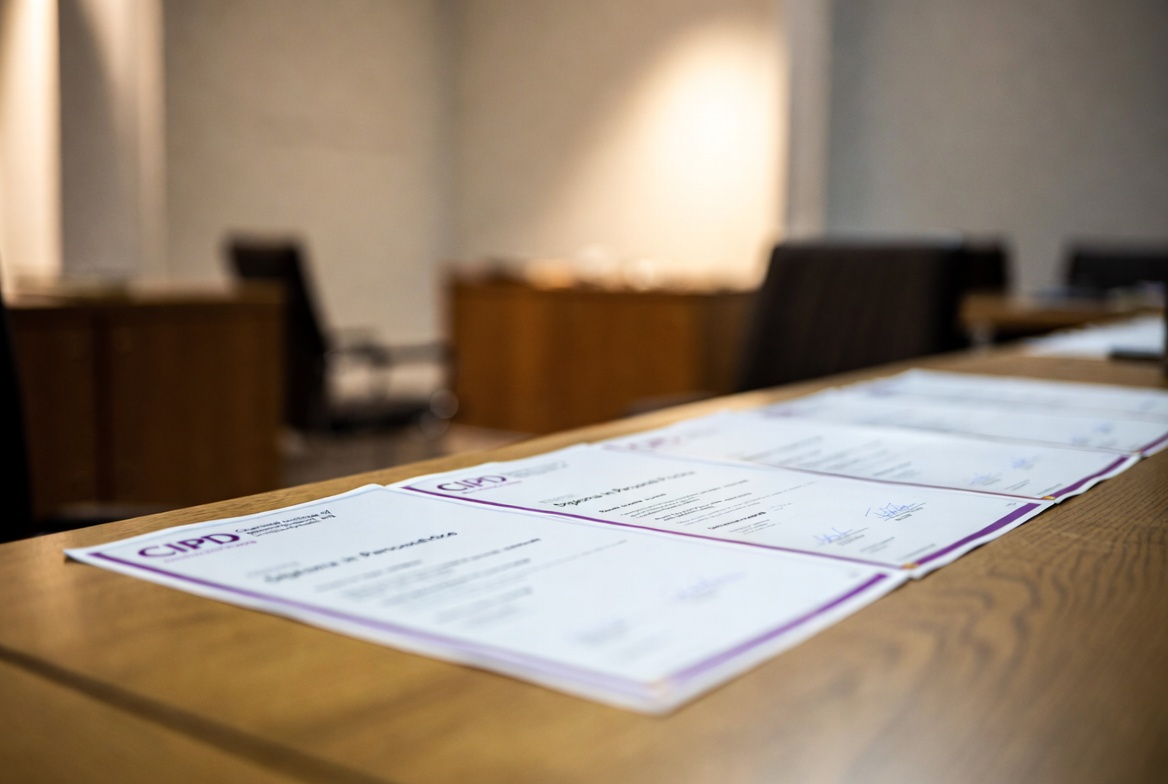
Which CIPD qualification should I do? Level 3 vs Level 5 vs Level 7
Choosing the right CIPD qualification can feel confusing. Should you start with Level 3? Go straight to Level 5? Is Level 7 only for senior HR directors? In this guide, we compare CIPD Level 3, Level 5 and Level 7 so you can make an informed choice based on your experience, confidence and career plans. VQ Solutions offers Level 3 and Level 5 qualifications and can help you decide which path suits you.
Understanding the CIPD levels in simple terms
A useful way to think about the levels is to compare them to typical stages of education and career:
- Level 3 – Foundation level. Similar to A-level standard. Ideal if you are new to HR or people practice.
- Level 5 – Associate level. Roughly equivalent to undergraduate study. Designed for people with some HR experience or responsibility.
- Level 7 – Advanced level. Comparable to postgraduate study. Aimed at senior practitioners working at a strategic level.
The higher the level, the deeper the theory and the more you must apply learning to complex organisational situations. Assessment moves from simple tasks to major assignments and workplace projects.
Who is CIPD Level 3 best for?
You might choose CIPD Level 3 if:
- You are completely new to HR or people practice.
- You work in an administrative or support role and want to move into HR.
- You do not yet feel confident tackling assignments at undergraduate level.
Level 3 builds strong foundations. You will learn the role of HR in organisations. You will cover basic employment law, recruitment and selection, and supporting learning and development. The course helps you understand core processes and gives you confidence to work with managers and colleagues.
Level 3 is a great starting point if you want to test whether HR is the right career for you. At VQ Solutions we deliver Level 3 with practical examples and tutor support. That helps you apply learning straight away at work.
Who is CIPD Level 5 best for?
You might choose CIPD Level 5 if:
- You already work in HR, or have significant people responsibilities.
- You regularly advise managers on HR issues.
- You are comfortable with longer assignments and learning at undergraduate level.
Level 5 explores HR in more depth. Topics include evidence-based practice and using data to inform decisions. You will study reward, talent management and employee engagement. You will also look at the link between people management and organisational strategy.
If you aim for roles such as HR Advisor, HR Business Partner, People Partner or HR Manager, level 5 is often the most relevant choice. The qualification helps you move from operational tasks to a more advisory role. VQ Solutions offers level 5 programmes designed for working people professionals. Our courses balance theory with practical tasks you can use at work.
Who is CIPD Level 7 best for?
Level 7 is designed for experienced HR professionals who already operate at a strategic level. It may suit you if:
- You lead or design HR strategy across a function or whole organisation.
- You manage other HR professionals.
- You work with senior leaders on issues like organisational design, culture and change.
Level 7 requires a high level of critical thinking, reading and analysis. Assignments are longer and more complex. You will be expected to reference research and theory in detail. If your goal is Head of HR, HR Director or senior People Partner, Level 7 can support your progression, especially when combined with strong experience.
Note: VQ Solutions currently offers Level 3 and Level 5. If you are considering Level 7, we can advise on next steps and on reputable providers who deliver advanced programmes.
Can you skip Level 3 and go straight to Level 5?
Yes — many learners start directly at Level 5. This is usually appropriate if:
- You have at least some HR or people-management experience.
- You are comfortable with academic writing at undergraduate level.
- You aim for an advisory or managerial HR role rather than an entry-level position.
A good training provider will discuss your background and help you choose the right start point. VQ Solutions assesses your experience to recommend Level 3 or level 5 study. We help ensure you begin at the level that will stretch you, not overwhelm you.
How the qualifications map to careers
Think about where you want to be in 2–3 years:
- HR Administrator or HR Assistant → Level 3.
- HR Advisor, People Partner, HR Manager → Level 5.
- Senior Business Partner, Head of HR, HR Director → Level 7.
Also consider CIPD membership. Level 5 often maps to Associate membership. Level 7 supports progression towards Chartered or senior professional recognition, when paired with suitable experience. Membership can boost credibility as a people professional.
Practical factors to help you choose
Ask yourself these questions:
- What HR experience do I already have?
- Little or none → Level 3.
- Some, with growing responsibility → Level 5.
- Strategic leadership experience → Level 7.
- How confident am I with study and assignments?
- Prefer to build confidence → Level 3.
- Comfortable with essay-style assignments → Level 5.
- Used to postgraduate-level reading and writing → Level 7.
- How much time can I commit?
- Level 3 often takes less time than Level 5.
- Level 5 requires more independent study and longer assignments.
- Level 7 demands significant reading and a major project.
- What support do I need?
- Look for tutors with HR experience.
- Choose a provider that helps with workplace evidence and feedback.
- VQ Solutions gives hands-on support and practical guidance for learners.
Assessment and learning style
CIPD assessment varies by level:
- Level 3: practical tasks, short assignments and workplace evidence.
- Level 5: longer assignments, case studies and applied projects.
- Level 7: major research or consultancy projects, critical essays and reflective reports.
Think about how you learn best. If you prefer applied tasks, Level 3 may suit you. If you enjoy research and analysis, level 5 or level 7 could be better.
Choosing a provider
A good provider will do three things well:
- Talk through your experience and goals.
- Offer clear learning plans and tutor support.
- Help you gather workplace evidence and plan assignments.
VQ Solutions specialises in training people professionals. We offer Level 3 and level 5 CIPD qualifications with flexible study options. Our tutors are HR practitioners. They give feedback that links learning to your role.
Conclusion — making your decision
If you are new to HR, start with Level 3. It will build core skills and give you confidence. If you already work in HR and want to move into advisory or managerial roles, level 5 is usually the right choice. Level 7 is for senior leaders who want a strategic, research-based qualification.
If you are unsure, speak to a trusted provider. VQ Solutions can review your experience and recommend the right level. We help you choose the course that matches your goals and supports your career as a people professional.
Call to action: Want personalised advice? Contact VQ Solutions for a free discussion about Level 3 or level 5 CIPD options and find the route that fits your career.