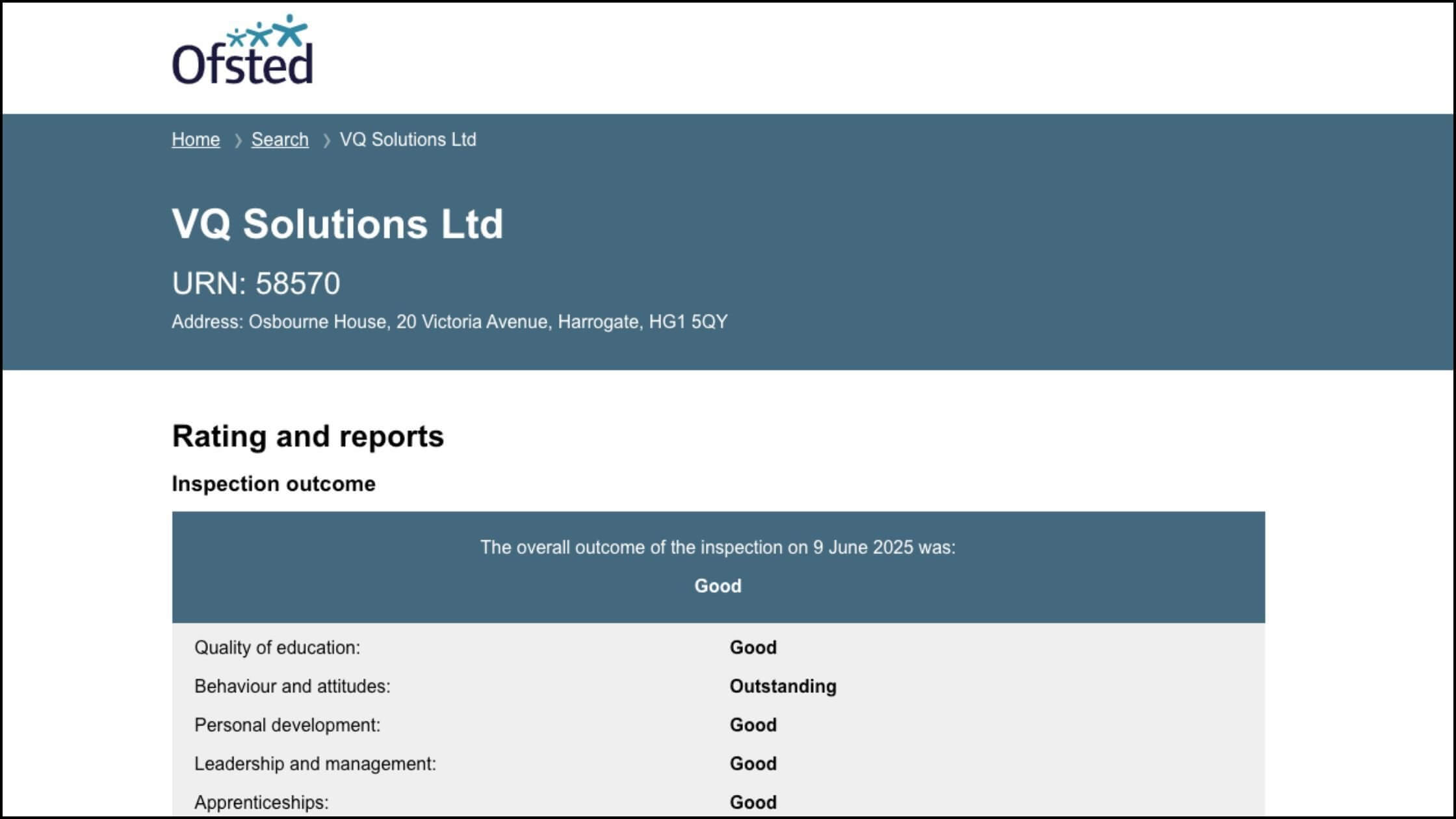
We have seen remarkable growth in the popularity of the Marketing Assistant apprenticeship. It has been great to see how well businesses are engaging with the programme and investing in new marketing staff and upskilling existing marketing staff.
Marketing Assistant Apprenticeship Standard
The Marketing Assistant Apprenticeship is for those who are new to the field or professionals looking to expand their marketing knowledge. This programme covers all aspects of marketing and includes modules on content marketing, digital marketing and offline marketing. It also covers content management and technology. Mentors guide apprentices through the programme. This 15-month programme culminates in an assessment of knowledge and a work-based project.
How is this programme delivered?
Marketing assistant apprentices have access to our outstanding learning management system and are supported with all of their learning by our marketing mentors. Additionally, they have access to a comprehensive schedule of online classes that they can book onto. We work really closely with employers to ensure that apprentices get exposure to new skills and that they can meet the requirements of the End Point Assessment.
Completing the Marketing Assistant Apprenticeship
By the end of the programme the apprentices will have covered the following modules:
Marketing Basics
Content Marketing
Digital Marketing
Offline Marketing
Digital Analytics
Content Management Software
Research
They will then go through the End Point Assessment Gateway process. This is where we, the apprentice and the employer agree that all of the learning and skills development has been completed and the endpoint assessment process should begin. For this programme, the endpoint assessment is a multiple-choice test and a project with a discussion with the endpoint assessor.
Why should you do this programme?
This is a really interesting programme which hugely benefits businesses and anyone aspiring to work in or is already employed in marketing. It offers a really excellent balance between online and offline marketing and provides all of the skills and knowledge needed to be a highly skilled marketer.
More Information
If you would like more information about this programme, then please call us on 01423 740006 or visit the course details.
The role should offer more than routine administration. A learner might support a campaign brief, maintain a content calendar, research an audience or check performance data. Each task should have a clear purpose and a person who can explain the feedback.
Employers should also discuss how the apprenticeship fits around busy campaign periods. Protected study time, regular reviews and access to suitable tools help an apprentice build confidence safely. Applicants can compare the current apprenticeship programmes and read the learner information before applying.
Marketing assistants often sit at the point where plans become visible to customers. That makes attention to detail, tone and deadlines important. A supportive manager can explain the purpose behind a task and show how the learner's work contributes to a wider campaign.
The programme should develop independence gradually. Start with clear briefs, review the first attempts and increase responsibility as the apprentice demonstrates reliable judgement.
An apprentice can learn a great deal from a campaign that needs changing. Reviewing a weak response, an unclear brief or a missed deadline helps identify what to improve next time. The important point is to make that review constructive and specific rather than treating mistakes as a reason to stop giving responsibility.
Before enrolment, confirm the current standard, vacancy duties and support arrangement. The employer guidance can help businesses plan a useful role, while the apprenticeship course list provides broader context.
The best applications show interest in the employer's audience and work rather than repeating generic marketing claims. Read recent campaigns, identify one question and explain what you would like to learn. That preparation gives an interviewer something specific to discuss.
It also helps to bring one example of writing, planning or problem-solving to an interview, even if it came from school, volunteering or a personal project.
Small examples are enough when they show what you did, what changed and what you learned. They give an employer a better basis for discussion than a list of unsupported strengths.
This approach also makes interview preparation more focused.