It's that time of year again when school leavers will be considering what the do next. The big question is "do I go to university or do an apprenticeship"? This is a difficult decision and one that needs to give some real thought.
For many, a university is an automatic choice. They want to keep learning. They may have a career ambition for which a university degree is a must – doctor, teacher, lawyer etc. For many, however, the university is taken as an option as they have not yet decided what they want to do or there is a school or family expectation.
Apprenticeship Attractions
What has become clear in the last few years is that apprenticeships are now a much more attractive option for many school leavers. They can earn a salary (avoiding huge university debts) and learn at the same time. With the introduction of higher-level apprenticeships learners are able to gain university equivalent qualifications but also develop their skills at the same time.
There is now also more evidence that graduates no longer out earn non graduates. There was always a belief that graduate had a higher earning capacity and this is what made going to university more attractive. This is no longer the case.
Apprenticeships also allow individuals to join small businesses that would not be in a position to offer a graduate a position. An apprentice is a much more attractive alternative to a business that wants to grow and needs staff to do it. An apprentice can join a small business, learn the skills and competencies needed and grow with it.
What apprenticeships are available?
There are literally hundreds of apprenticeships to choose from covering just about every industry. Anyone interested in an apprenticeship should visit the apprenticeship vacancy service
If you are interested in vacancies in Yorkshire please visit our Yorkshire Apprenticeship website
A practical comparison
The right choice depends on the work you want to do, not on which route sounds most prestigious. A university course may provide the academic foundation required for medicine, teaching or law. An apprenticeship can be more direct for someone who already knows the occupation they want to enter and prefers to learn through real responsibilities.
Money is one part of the decision. Apprentices are employees and receive pay for their contracted hours, including the time set aside for training. University students may use student finance to cover tuition and living costs, but the repayment system and household budget should be understood before accepting an offer. Compare likely earnings and progression in the specific occupation rather than assuming every graduate or apprentice follows the same path.
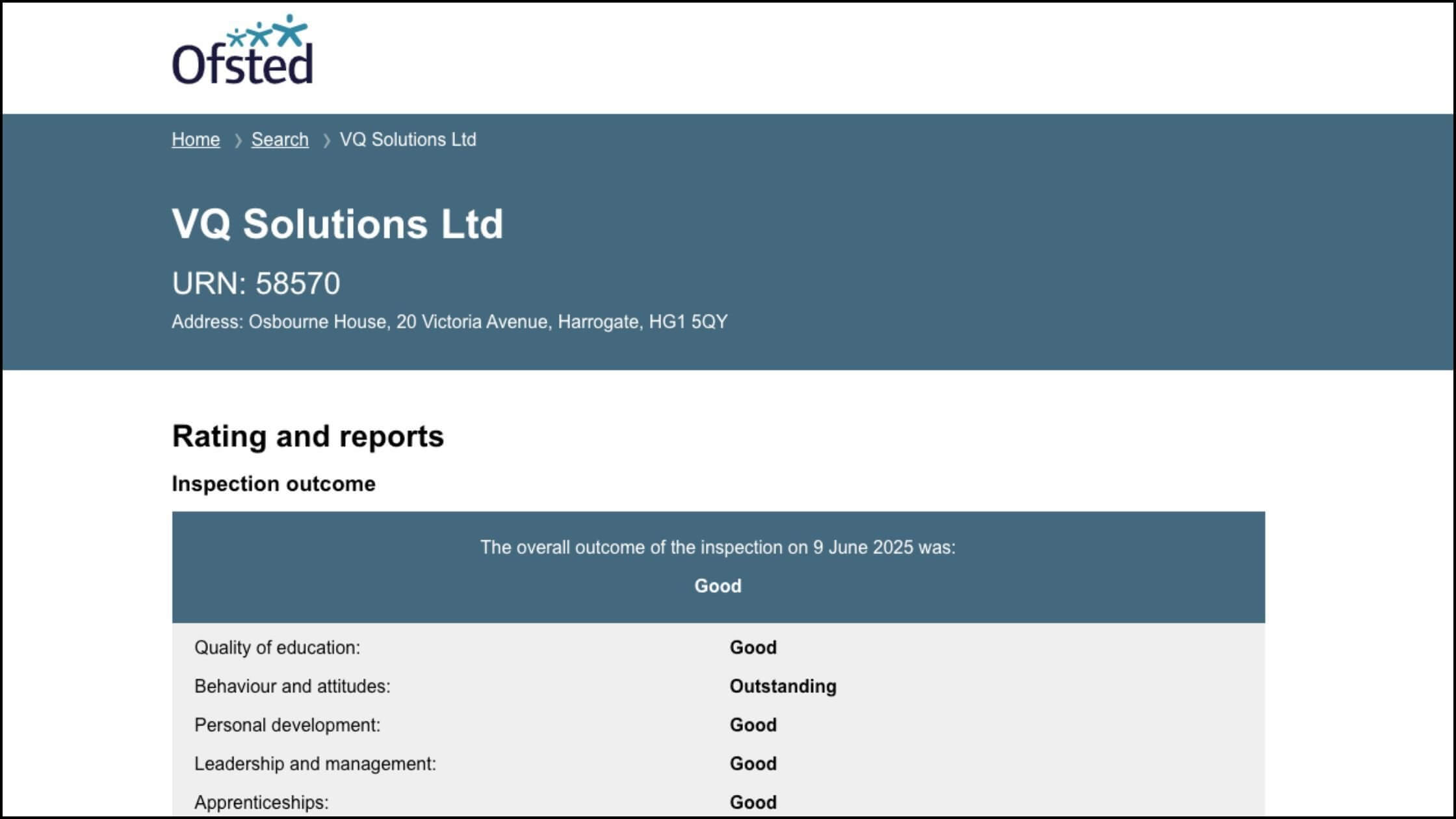
Learning style matters just as much. Apprentices must manage workplace expectations, assignments and reviews. University students may have more control over their timetable but will still need to organise independent study and assessments. The apprenticeship programmes available through VQ Solutions show how work and structured learning can fit together.
Questions to ask before applying
Ask whether the role offers meaningful duties, who will supervise the learning and how the end assessment works. Check the employer's expectations, travel time, pay and progression opportunities. For university, examine the course modules, placement options, accommodation costs and professional recognition.
It is also worth looking at alternatives such as a higher or degree apprenticeship. These can combine workplace experience with higher-level study, although entry requirements and competition vary. The learner information can help with preparation, but a careers adviser or prospective employer should confirm the details of a particular route.
Making the decision manageable
Start by choosing an occupation, even if it is only a broad area such as business, digital marketing or people practice. Then look at several vacancies and course descriptions. Notice the duties, qualification level, travel requirements and skills employers ask for repeatedly. This evidence can reveal whether you would enjoy the work behind the job title.
It is also useful to speak to someone who has taken each route. Ask how they spend an ordinary week, what support they receive and what they would do differently. A short conversation can correct assumptions about university debt, apprentice pay or the amount of independent study involved. Keep a simple comparison table and revisit it after researching the actual opportunities available.